

Komfort & Sicherheit
Als Energiepartner der Pfalz bieten wir Ihnen mit unserem Partner Viessmann individuelle Lösungen in der Wärmepumpen-Technologie. Profitieren Sie von erstklassiger Technik und umfassenden Service-Leistungen.
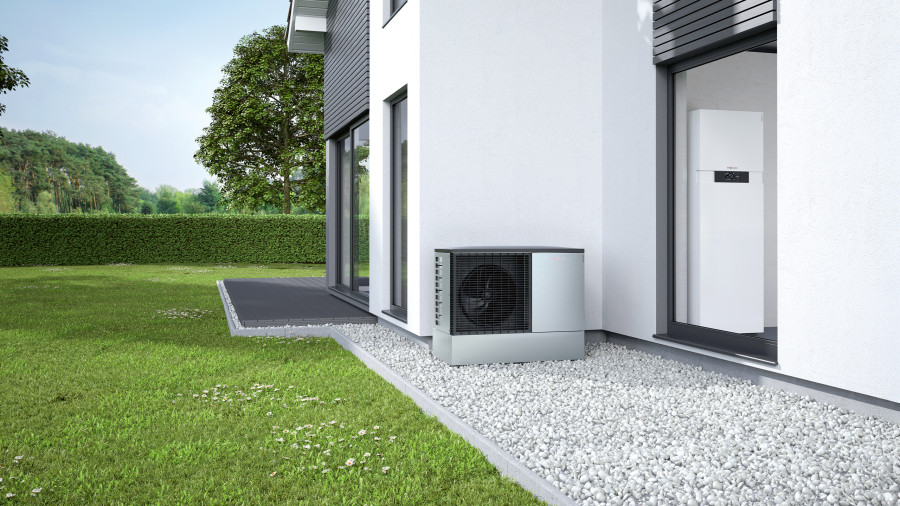
Egal ob Sie Ihre Anlage pachten oder kaufen. Mit der SWK machen Sie die Kosten planbar.
Im Pachtmodell zahlen Sie statt der Investition am Anfang einen monatlichen Grundpreis und das was Sie verbrauchen. Um den Rest kümmern wir uns.
Wartung, Reparaturen und weitere Kosten sind im Grundpreis enthalten.
Auch wenn Sie Ihre Wärmepumpe lieber kaufen möchten, bieten wir Ihnen ein umfassendes Service-Paket für die Rundum-Sorglos-Betreuung an.
Hoch effizient
Da Sie zusätzlich Wärme aus der Umwelt gewinnen, erreichen Sie Wirkungsgrade von 300 bis 500 Prozent!
Umwelt schonen
Mit der Nutzung von Wärme aus der Luft oder dem Boden (erneuerbare Energien) sparen Sie fossile Ressourcen.
Förderung nutzen
Für Kauf und Installation Ihrer neuen Wärmepumpe können Sie sich bis zu 70 Prozent staatliche Förderung sichern.
Die passende Wärmepumpe für Ihr Zuhause
Die Wärmepumpe nutzt als Energiequelle Außenluft. Ein Ventilator saugt die Luft an, die dann komprimiert wird. Diese auch als Luftwärmepumpe bezeichnete Variante ist in Deutschland am weitesten verbreitet.
Vorteile: platzsparend, einfache und schnelle Installation, vergleichsweise geringe Anschaffungs- und Installationskosten
Installation: außen- und/oder im Innenbereich, meist Split-Wärmepumpe mit Innen- und Außeneinheit
Vorschriften: Genehmigung nicht erforderlich, Mindestabstand zu Nachbargrundstücken ist einzuhalten (regionale Unterschiede)

© Viessmann Holding International GmbH
Die Wärmepumpe entzieht dem Erdboden thermische Energie. Dafür sind tiefe Sondenbohrungen oder flach unter der Erde verlegte Kollektoren erforderlich.
Vorteile: Höhere Effizienz, mehr Unabhängigkeit von geringen Außentemperaturen im Winter, minimale Geräuschentwicklung
Installation: Wärmepumpe im Haus, Erdarbeiten (Sonden oder Kollektoren) im Außenbereich
Vorschriften: Anzeigepflicht bzw. Genehmigung der zuständigen Behörde ggf. erforderlich (Sondenbohrungen)
© Viessmann Holding International GmbH
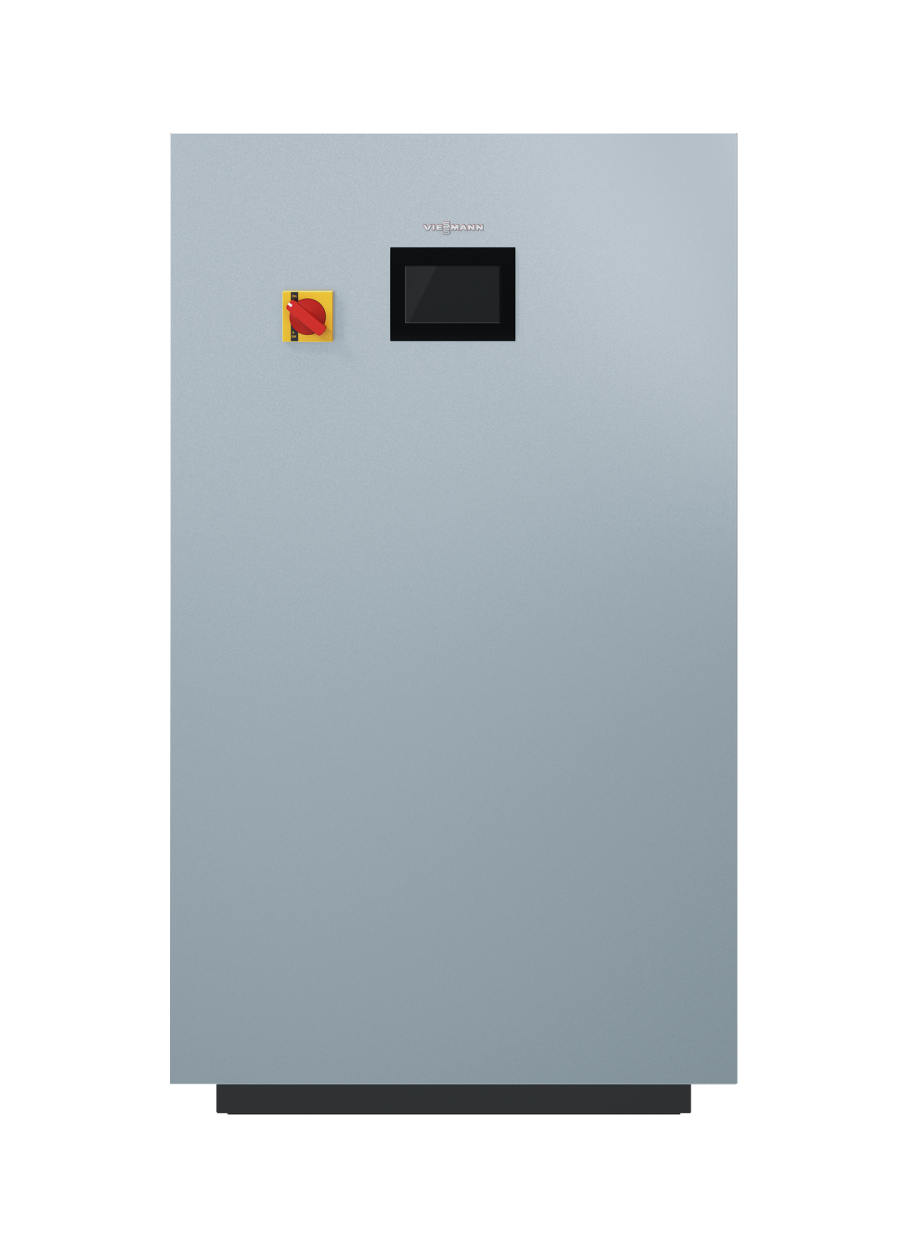
Attraktiver Preisvorteil
Für Kauf und Installation Ihrer neuen Wärmepumpe können Sie sich bis zu 70 Prozent staatliche Förderung sichern.
Großer Pluspunkt: Wirkungsgrad!
Anders als bei anderen Heizsystemen ist der Wirkungsgrad einer Wärmepumpe größer als 100 Prozent. Das macht sie außergewöhnlich!
Mehr dazu in den FAQsWussten Sie schon?
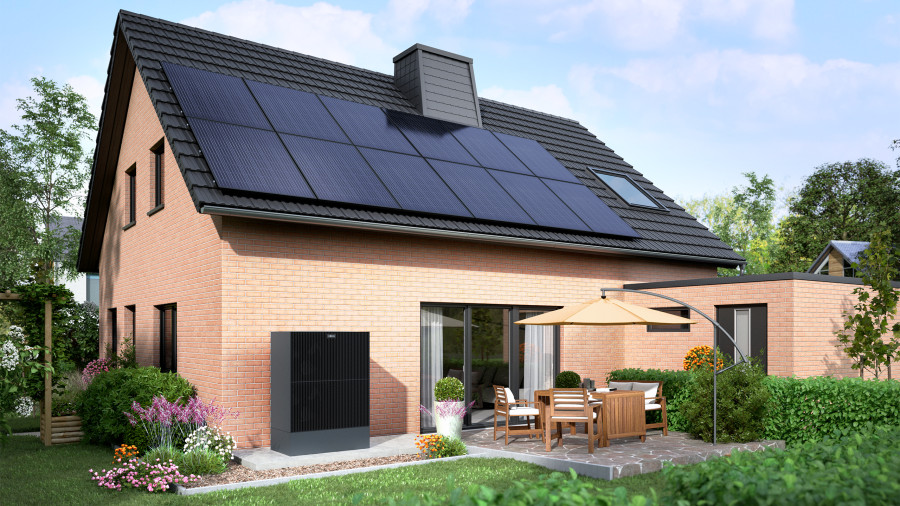
Kombinieren und profitieren!
Wärmepumpen nutzen elektrische Energie, um die Wärme aus Erde, Wasser oder Luft verfügbar zu machen. Kombinieren Sie Ihre Wärmepumpe mit eine Photovoltaikanlage. So erzeugen Sie einen Großteil des Stroms aus Sonnenenergie. Das bringt Ihnen noch mehr Unabhängigkeit von steigenden Energiekosten.
Die SWK Stadtwerke Kaiserslautern bieten entsprechende Systemlösungen und Planungen für Sie aus einer Hand an.
Anfrage
Füllen Sie unser Kontaktformular mit Fragen zu aktuellen Gegebenheiten und Ihren Vorstellungen aus.
Kontaktaufnahme
Wir kontaktieren Sie telefonisch, um individuelle Voraussetzungen zu klären.
Angebot
Sie erhalten von uns ein auf Sie abgestimmtes Angebot.
Hilfe, Dokumente und weiterführende Links
Downloads
FAQ - Antworten zu den häufigsten Fragen
Im Gegensatz zu klassischen Heizsystemen wie Gas- und Ölheizungen verbrennen strombetriebene Wärmepumpen keine fossilen Energieträger. Sie nutzen kostenlose Umweltenergie, etwa aus der Umgebungsluft oder aus dem Erdreich. Die gewonnene Energie lässt sich zum Heizen, Kühlen sowie zur Warmwasserbereitung nutzen. Dieses Prinzip schont nicht nur fossile Ressourcen, es reduziert auch CO₂-Emissionen. Bei einer Versorgung mit Ökostrom oder mit selbst produziertem Strom aus Photovoltaik kann eine Wärmepumpe sogar nahezu CO₂-frei betrieben werden.
Wärmepumpen gewinnen ihre Energie zum Großteil aus der Umwelt. Dafür benötigen sie jedoch Strom als Antriebsenergie. Das Verhältnis liegt hier bei etwa 1:4. Das bedeutet, dass für die Bereitstellung von vier Kilowattstunden (kWh) Wärme rund eine kWh Strom benötigt wird. Aber wie funktioniert das im Detail?
Der Kältemittelkreislauf der Wärmepumpe
Da die Temperatur der Umweltwärme alleine nicht ausreicht, um ein Gebäude oder Warmwasser zu erhitzen, erfordert die Funktionsweise der Wärmepumpe einen thermodynamischen Prozess in Form des Kältemittelkreislaufs:
Die Umweltwärme überträgt ihre Energie über einen Wärmetauscher (Verdampfer) auf ein flüssiges Kältemittel, das schon bei niedrigen Temperaturen verdampft. Der Kompressor (Verdichter) komprimiert das gasförmige Kältemittel, wodurch es sich stärker erhitzt. Dieser Prozess erfordert elektrische Energie. Ein weiterer Wärmetauscher (Verflüssiger) überträgt die Wärme des erhitzten Gases auf den Heizkreislauf des Gebäudes. Am sogenannten Expansionsventil sinkt der Druck des Kältemittels, wodurch es abkühlt und verflüssigt wird. Das Kältemittel ist nun wieder in seinem ursprünglichen Zustand und kann erneut Wärme aus der Umwelt aufnehmen.
Bei der Wahl einer Wärmepumpe sind verschiedene Kriterien zu berücksichtigen. Dazu gehören unter anderem Größe und Lage des Grundstücks sowie Beschaffenheit des Gebäudes. Handelt es sich zum Beispiel um einen Neubau oder einen unsanierten beziehungsweise sanierten Altbau? Auch gesetzliche Vorgaben sind mitunter zu berücksichtigen. Beispielsweise erfordert die Installation einer Erdwärmepumpe mit tief in den Boden reichenden Sonden eine behördliche Genehmigung.
Damit Sie die passende Lösung finden, stellen wir Ihnen die Wärmepumpenarten unseres Partners Viessmann vor.
Auch im Gebäudebestand ist ein effizienter Betrieb der Wärmepumpe möglich – eine individuelle Planung vorausgesetzt. Denn die Umweltheizung muss zum Gebäude und zum Heizverhalten der Bewohner passen. Flächenheizungen sind vorteilhaft, aber kein Muss. Moderne Wärmepumpen wie die Viessmann Vitocal 250-A wurden extra für die Heizungsmodernisierung entwickelt und schaffen Vorlauftemperaturen von 75 Grad Celsius. Ein Viessmann Fachpartner berät Sie unter Berücksichtigung der aktuellen Gegebenheiten ganz individuell zu Ihren Optionen.
Moderne Wärmepumpen können sowohl heizen als auch kühlen. Dabei lassen sich aktive und passive Kühlung unterscheiden. Die passive Kühlung ist besonders energiesparend, da die Wärmepumpe abgesehen von der Regelung ausgeschaltet bleibt. Ein Wärmetauscher entzieht dem Heizkreis thermische Energie und gibt diese an die Umgebung ab. Mit einer Luftwärmepumpe ist die Kühlung nicht möglich. Auch eine Oberflächenheizung ist Voraussetzung. Bei der aktiven Kühlung wird der oben erwähnte Kältemittelkreislauf umgekehrt, um die Raumtemperatur zu senken. Dafür wird jedoch Strom benötigt. Auch gewisse technische Voraussetzungen sind erforderlich.
Wärmepumpen sind während des Betriebs nicht geräuschlos. Das gilt insbesondere für Luftwärmepumpen, die Außenluft mit einem Ventilator anziehen, um dieser Wärme zu entziehen. Bei modernen Anlagen wie der Viessmann Vitocal 250-A von sind die Geräusche jedoch kaum hörbar. Optimal auf- und eingestellt liegt der Geräuschpegel bei einem Abstand von vier Metern bei gerade einmal 35 Dezibel dB(A). Das ist etwa vergleichbar mit leisem Flüstern.
Üblicherweise bedeuten die 100 Prozent den Idealfall. Dann wird genauso viel Energie erzeugt wie aufgewendet. Eine Wärmepumpe kann jedoch einen Wirkungsgrad von 300 bis 500 Prozent erreichen. So kann sie mehr Energie erzeugen, als sie für den eigenen Betrieb benötigt – da kann kein anderer Wärmeerzeuger mithalten.
Wie ist das möglich? Eine Wärmepumpe heizt mit Energie aus der Umwelt. Sie nutzt Wärme aus der Luft, dem Grundwasser oder aus der Erde. Diese Energie steht kostenlos und unbegrenzt zur Verfügung. Sie wird nicht in die Berechnung des Wirkungsgrads einbezogen. Stattdessen wird nur der Stromverbrauch für die Berechnung herangezogen.
Zum Vergleich: Öl- oder Gasheizungen wandeln lediglich die im fossilen Brennstoff enthaltene Energie in Wärme um. Das kann physikalisch nicht mehr als 100 Prozent ergeben. Während der Umwandlung in Wärme geht hier Energie verloren geht. Heizkessel lassen z.B. bis zu 30 Prozent der zugeführten Energie ungenutzt. Eine Gasheizung hat einen Wirkungsgrad von 85 bis 100 Prozent. Eine Ölheizung von 85 bis 95 Prozent.
Da die Nutzung von Umweltwärme einen wichtigen Beitrag zur Energiewende leistet, stellt der Staat attraktive Fördermittel zur Verfügung. Als selbstnutzender Eigentümer erhalten Sie für Ihre neue Wärmepumpe eine Förderung von bis zu 70 %.
Kontakt

Team SWK Kundenservice
Mo & Di: 8 – 17 Uhr
Mi: 8 – 13 Uhr
Do & Fr: 8 – 17 Uhr
Rundum sorglos mit SWK-Solar
PV-Anlage pachten statt kaufen: Ihr Rundum-Sorglos-Paket für eigenen Strom vom Dach.
Mehr erfahren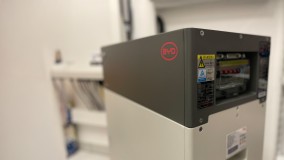
SWK Solar Batteriespeicher
Tagsüber Strom produzieren und abends verbrauchen. Mit einen Batteriespeicher ist das möglich. Nutzen Sie überschüssigen Strom dann, wenn Sie ihn brauchen. Das macht Ihre PV-Anlage noch effektiver.
Mehr erfahren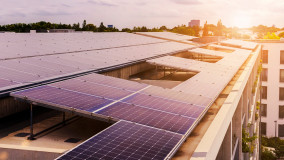
Mieterstrom
Günstige Stromversorgung für Mietende, Steigerung des Immobilienwerts und ein wertvoller Beitrag für die Umwelt - das passt für alle!
Mehr erfahren